Source: English Housing Survey 2022–23: rented sectors, MHCLG

askporter Housing — Accessibility
Every resident reaches you. Without an app, login, or barrier.
One in five UK adults lives with a disability. Many more speak English as a second language or find portal logins overwhelming. askporter reaches them on their channel, in their words, from day one.
The accessibility gap
Most housing systems were built for the average resident. The average resident doesn't exist.
Roughly one in five UK adults lives with a disability. Around three million UK households include someone with a long-term health condition. A meaningful share of renters uses English as a second language, and many more find portal logins, PDFs and downloadable apps actively off-putting. Every one of those front doors filters out the residents who most need to reach you. Contact centre load climbs. Compliance evidence fragments. And under the Equality Act 2010 and the regulator's Consumer Standards, reasonable adjustment is an obligation you evidence — not a favour you grant. Accessibility isn't a feature. It's whether your operating model works for the residents you actually house.
Measurable from the start
What changes when every resident can reach you.

One platform, four user types
Who feels the change first.
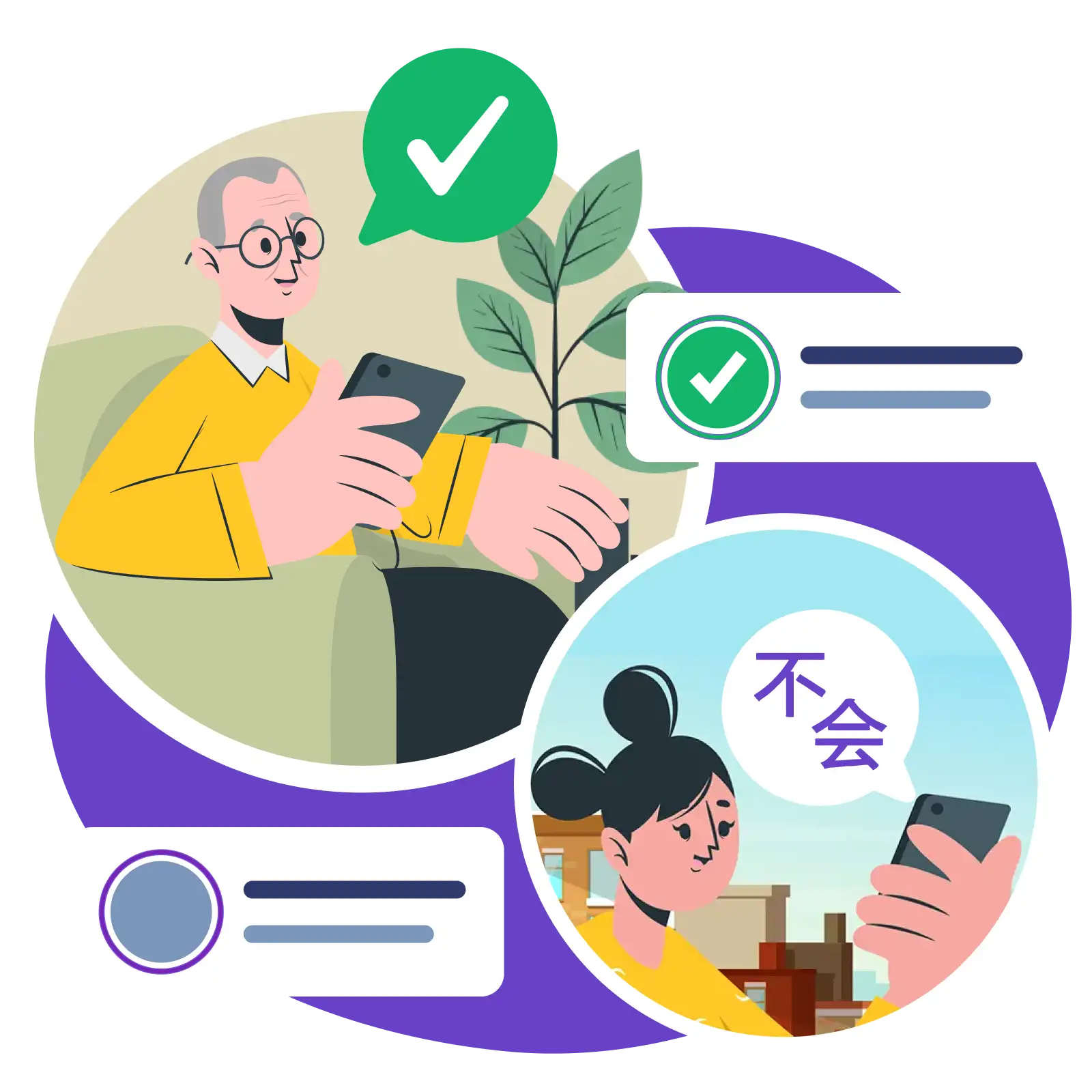
Residents who couldn't reach you before
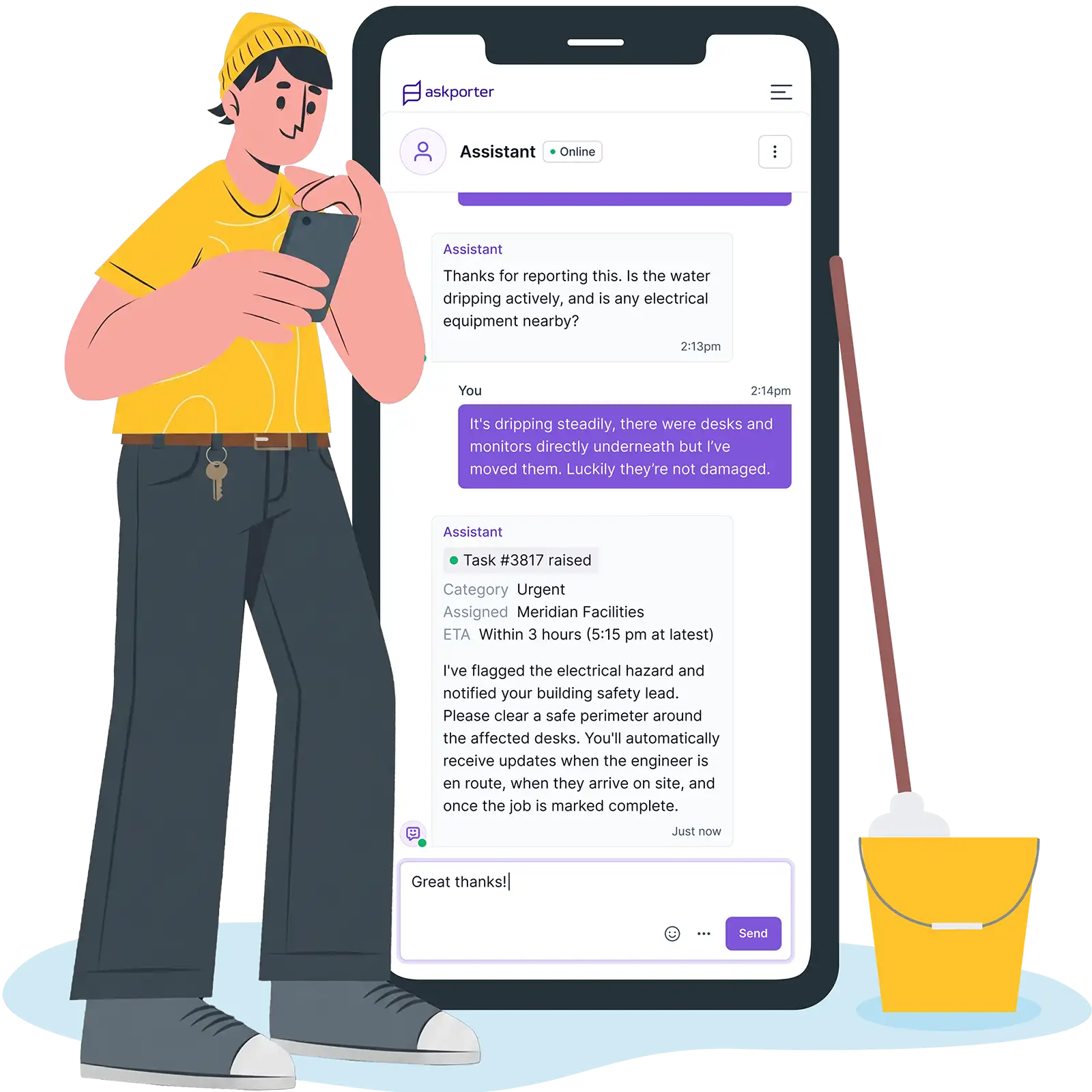
Residents with limited English, low digital confidence, or additional needs reach you on the channel they already use, in the words they already write. The webchat is also tested for screen readers, switch control, and voice navigation — not just designed for typical use.
Housing officers & customer service teams
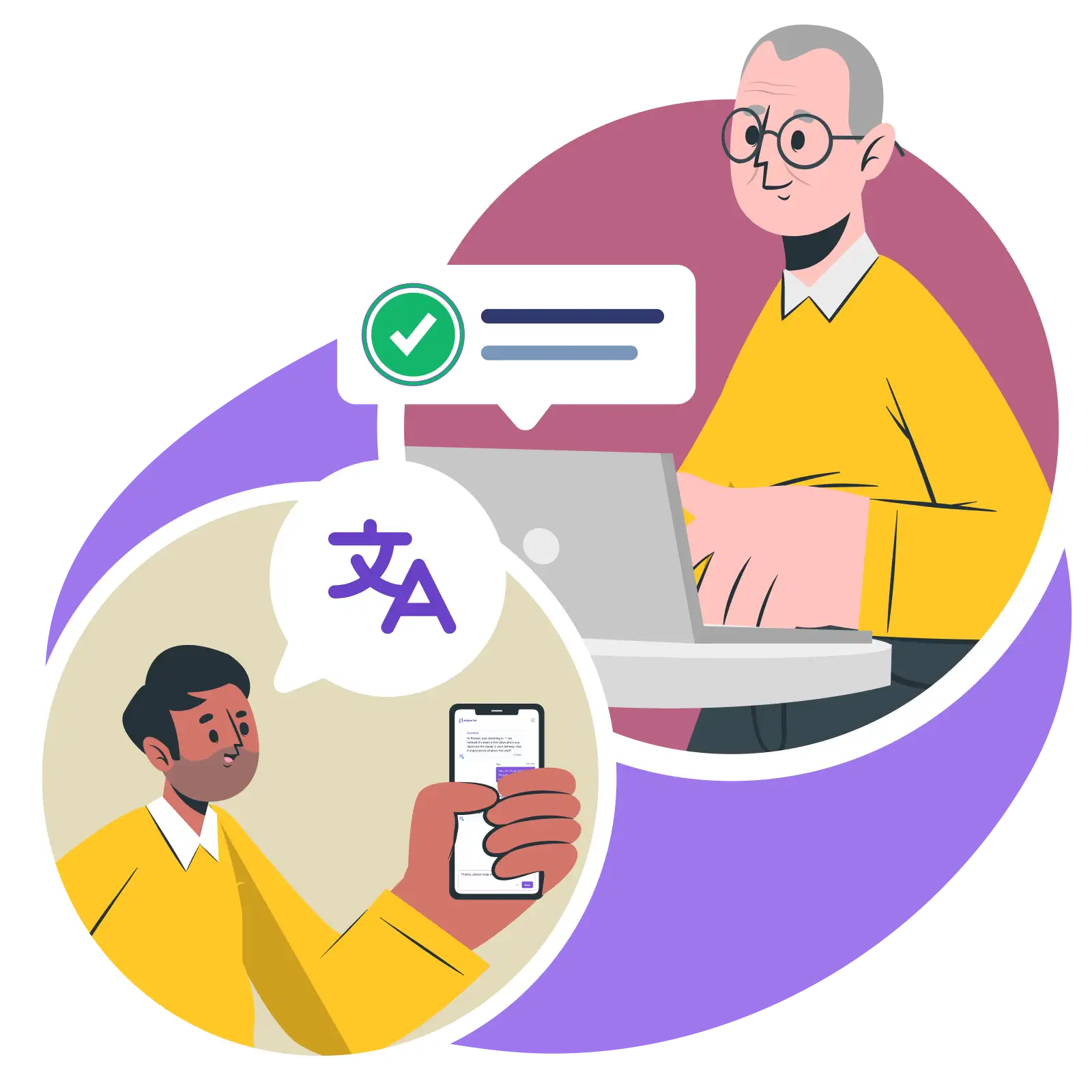
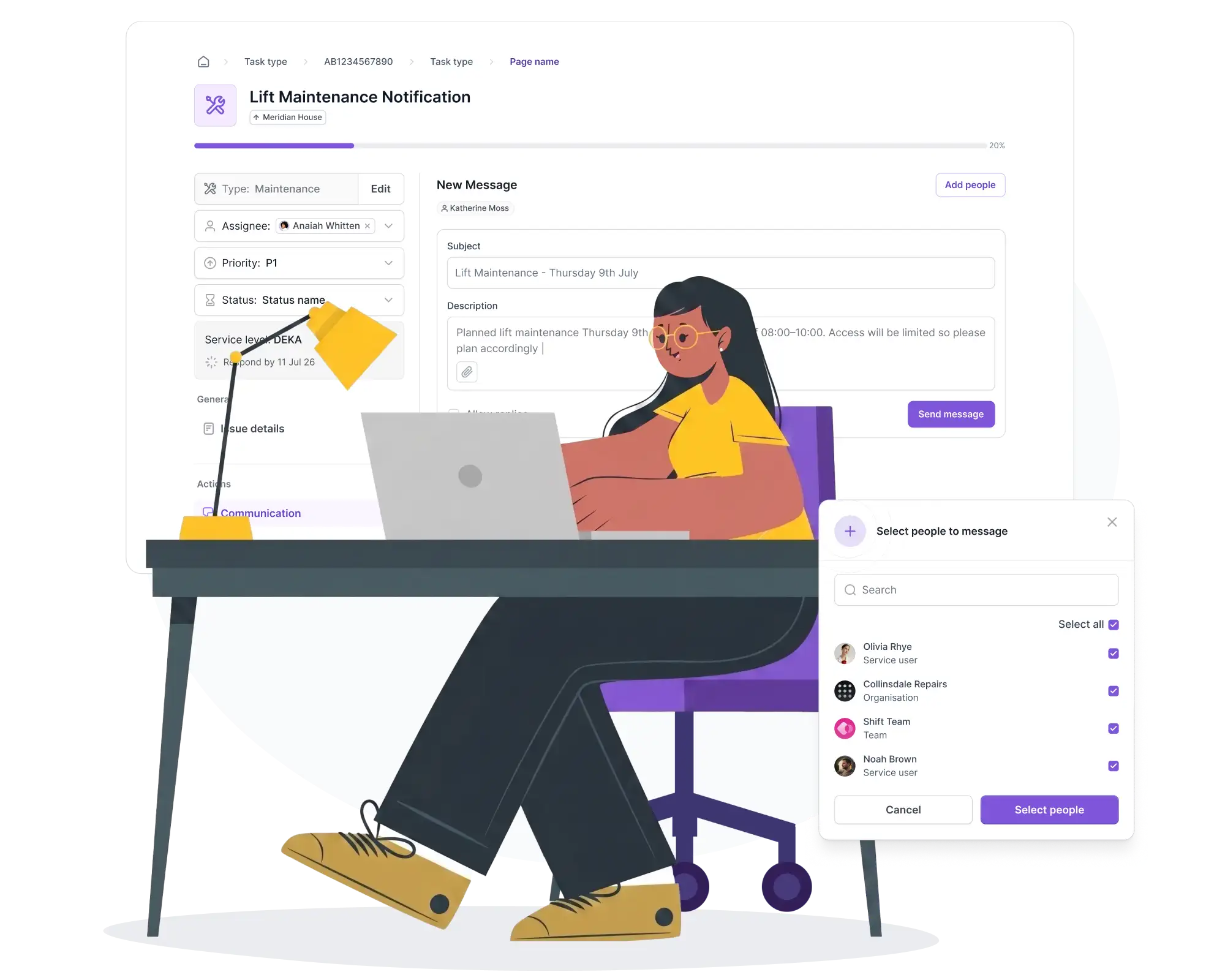
The hardest calls — language barriers, cognitive load, vulnerable circumstances — triaged before they escalate. Your team responds where humans matter most.
Equality, EDI & Customer Experience leads
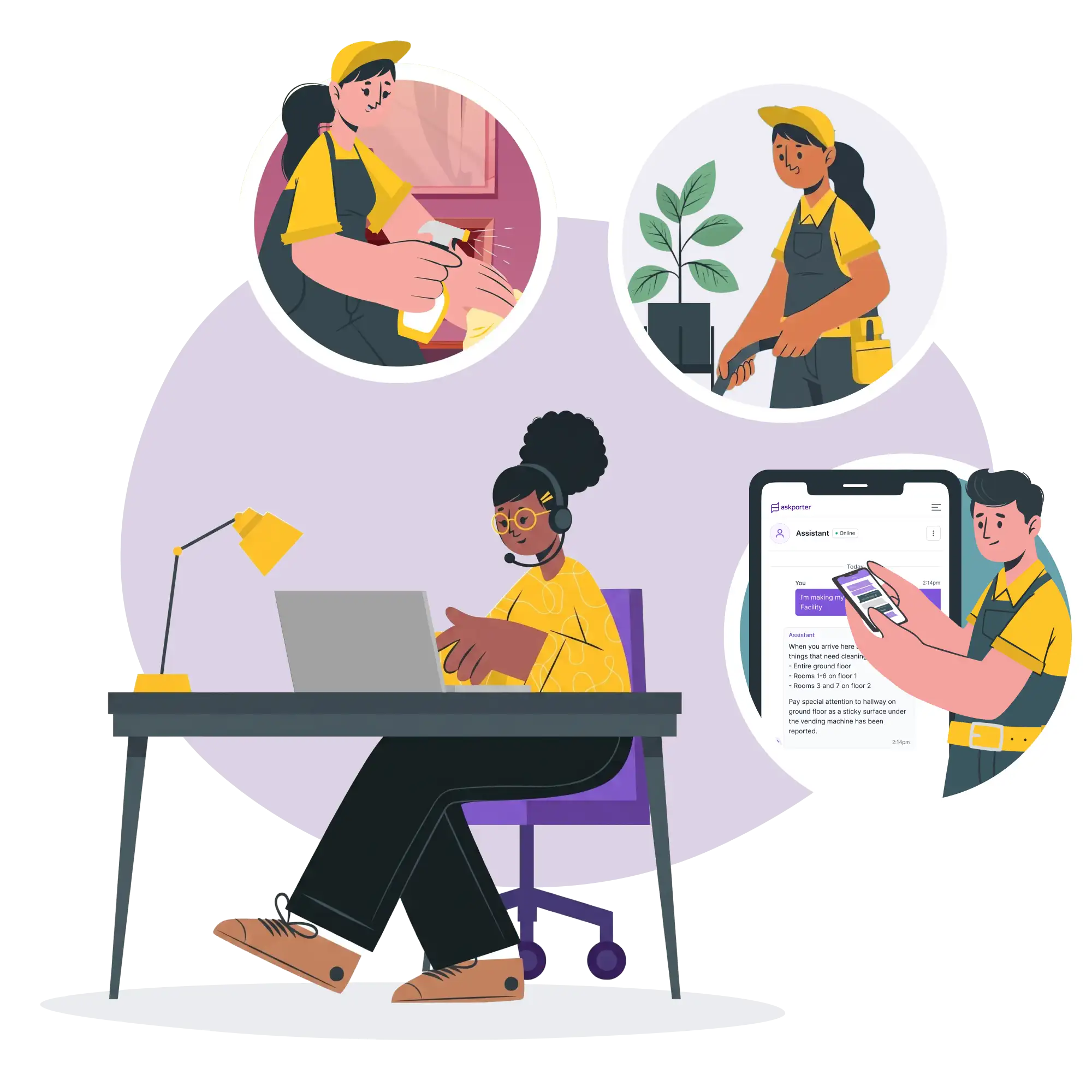
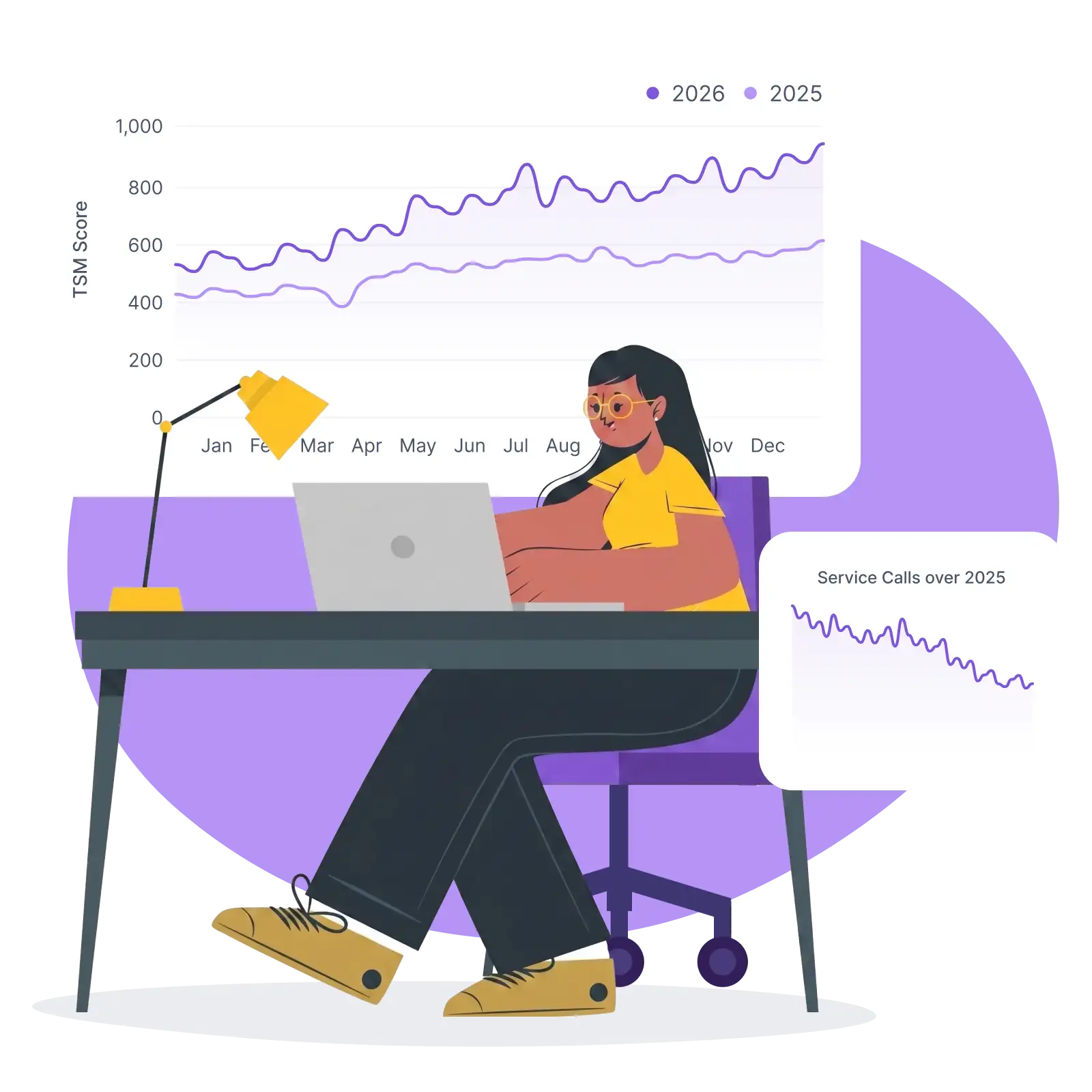
Reasonable adjustment evidenced, not assumed. TSM outcomes improve across every resident group. The audit trail is ready before the regulator asks.

Three capabilities, one platform — applied to BTR.

Capability 1 of 3
Resident Engagement
The front door every resident can walk through
24/7 first response across WhatsApp, SMS, web chat and email — no app to download, no portal login, no password to remember. Multilingual and plain-language by default, built for the residents most likely to be locked out, not just the ones most likely to log in.
Explore Resident Engagement
Capability 2 of 3
Smart Repairs
Diagnosis in the resident's own words, not a form field
The AI asks follow-up questions in the same language, at the same reading level, until it has what the contractor needs. Appointments book without a login, and contractors arrive briefed on any reasonable adjustment — mobility, vulnerability, language preference — before they knock.
Explore Smart Repairs
Capability 3 of 3
Proactive Care
Reaching the residents least likely to reach you
Outbound check-ins go out in the resident's own language, on the channel they already use, at a pace they can handle. Vulnerability signals surface early from replies — evidence of active care for the residents the Consumer Standards were written to protect.
Explore Proactive Care
Real-world accessibility scenarios
What this looks like on a Tuesday night — or a Friday morning.
Reach
A damp report at 10pm, in Urdu, on WhatsApp.
A resident sends a photo of a mould patch and three sentences in Urdu. askporter classifies the hazard, starts the Awaab's Law clock, and asks two follow-up questions — in Urdu. By midnight the investigation slot is booked. Your out-of-hours team never took a call.
Adjustments
A TSM survey, sent the way this resident needs it.
A resident's file flags a reasonable adjustment: large print, no digital contact. When the quarterly TSM survey campaign goes out, askporter follows the flag automatically: a printed copy, not a text link. No manual list-checking. No resident falling through the net because the default channel didn't fit them.
Inclusion
A resident with a learning disability books a repair appointment.
A resident who finds portal logins and long forms overwhelming sends a plain-language message about a broken tap. askporter replies with a single appointment suggestion — one button, one day, one time — in simple language. The resident confirms. No IVR. No hold time.
No app. No login. No portal.
Why accessibility with askporter isn't a feature on a roadmap.

Accessible by default, because no app, no login, no portal.
The biggest accessibility barrier is the one before the system. Disabled people are over 50% more likely to face barriers accessing digital services, and 84% of over-60s say nothing would get them online.¹ askporter supports the channels that residents already use — WhatsApp, SMS, web, email. No download, no password, no account. For the residents most likely to give up on a portal login, there's no portal to give up on.
¹ Scope, Accessibility and Disability UK Statistics; ONS, Exploring the UK's Digital Divide.

Multilingual AI, not translation bolt-on.
Most housing systems translate the form and then revert to English when the resident replies. askporter understands the resident in the language they wrote, asks the next question in the same language, and passes the thread to the contractor brief without English becoming the common denominator.
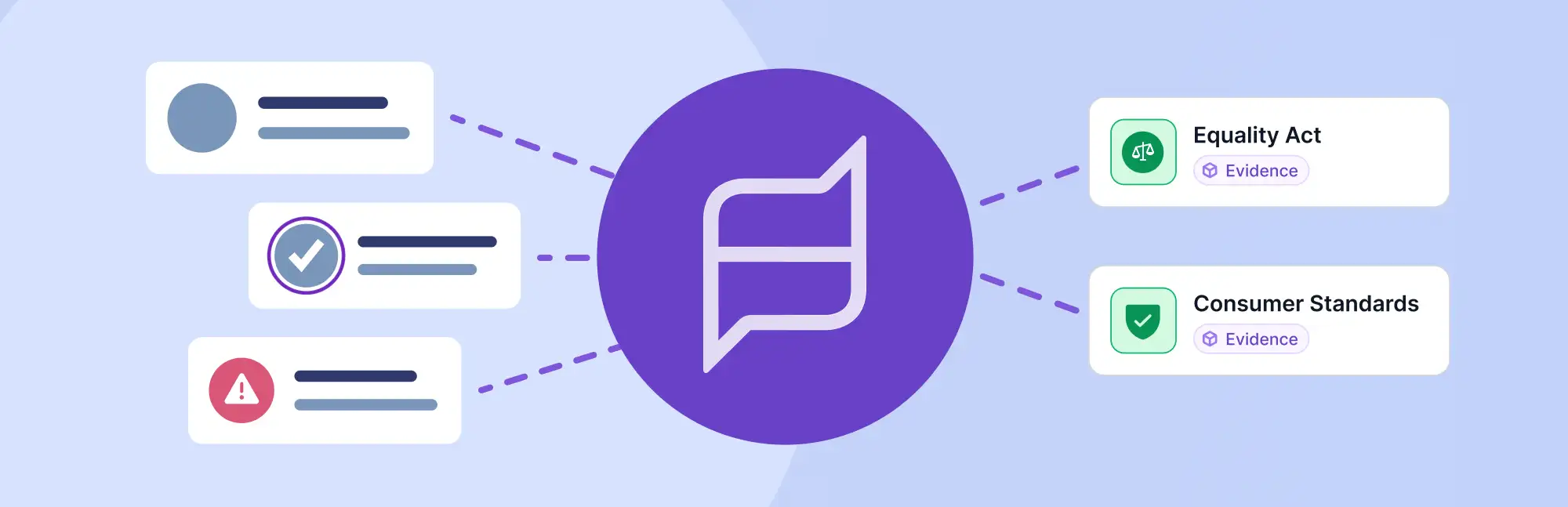
Reasonable adjustment in the audit trail, not in a spreadsheet.
Every flag, every adjustment, every interpreter note — attached to the job and the resident record. Your Equality Act evidence and your Consumer Standards evidence are the same evidence. One trail, two reports.
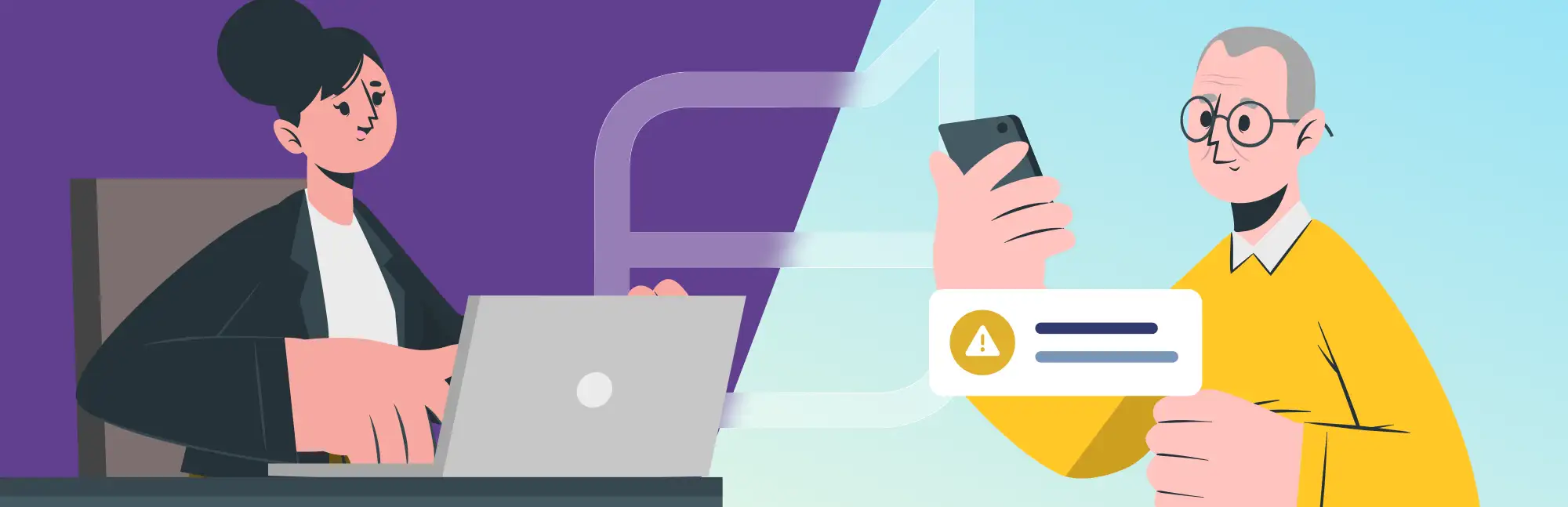
The inbound you're missing is the one you most need to hear.
The residents least likely to raise a repair are the ones most at risk of an uninspected hazard. Proactive Care reaches out in the resident's language, on the resident's channel, on the schedule the regulator expects. Inbound becomes evidence, not silence.
Proof across every property we protect.
These numbers aren't the story of one accessible-housing customer. They're the operating reality across the askporter Housing base — every resident, every repair, every channel. Accessibility isn't a case-study carve-out. It's how the platform runs.


500,000+
Assets managed across the Housing portfolio
97%
First-time diagnostic accuracy (L&G Affordable Homes, verified)
4.7
Resident CSAT on inbound resolution (L&G Affordable Homes, verified)



Ready to reach every resident?
Book a 30-minute walkthrough. We'll show you an accessibility-first resident journey in your housing context — multilingual, multi-channel, no app, no login — and the evidence trail your regulator and your EDI lead both need. We bring the platform; you bring the residents your current system misses.

Tech Innovation Awards 2026
Best FM & Housing AI Platform

Property Week Resi 2025
PropTech Innovation
Housing Innovation 2025
Best Repairs & Maintenance

Cyber Essentials Plus accredited
UK government-backed · externally audited

UK & EU hosted
UK data residency by default

GDPR compliant
Documented data processing · DPA on request

EU AI Act compliant
AI governance framework · 2024 legislation
Tech Innovation Awards 2026
Best FM & Housing AI Platform
Property Week Resi 2025
PropTech Innovation
Housing Innovation 2025
Best Repairs & Maintenance
Cyber Essentials Plus accredited
UK government-backed · externally audited
UK & EU hosted
UK data residency by default
GDPR compliant
Documented data processing · DPA on request
EU AI Act compliant
AI governance framework · 2024 legislation